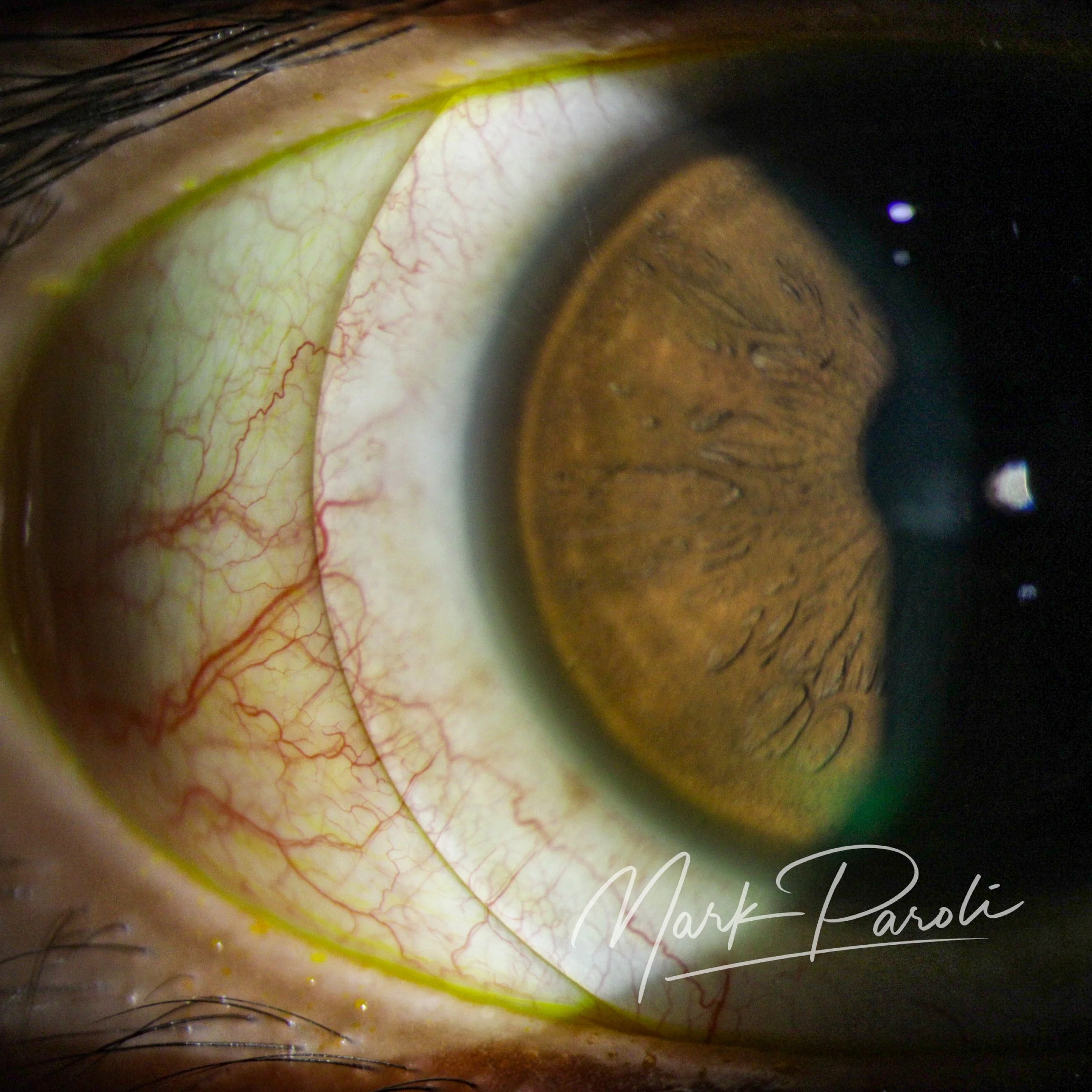
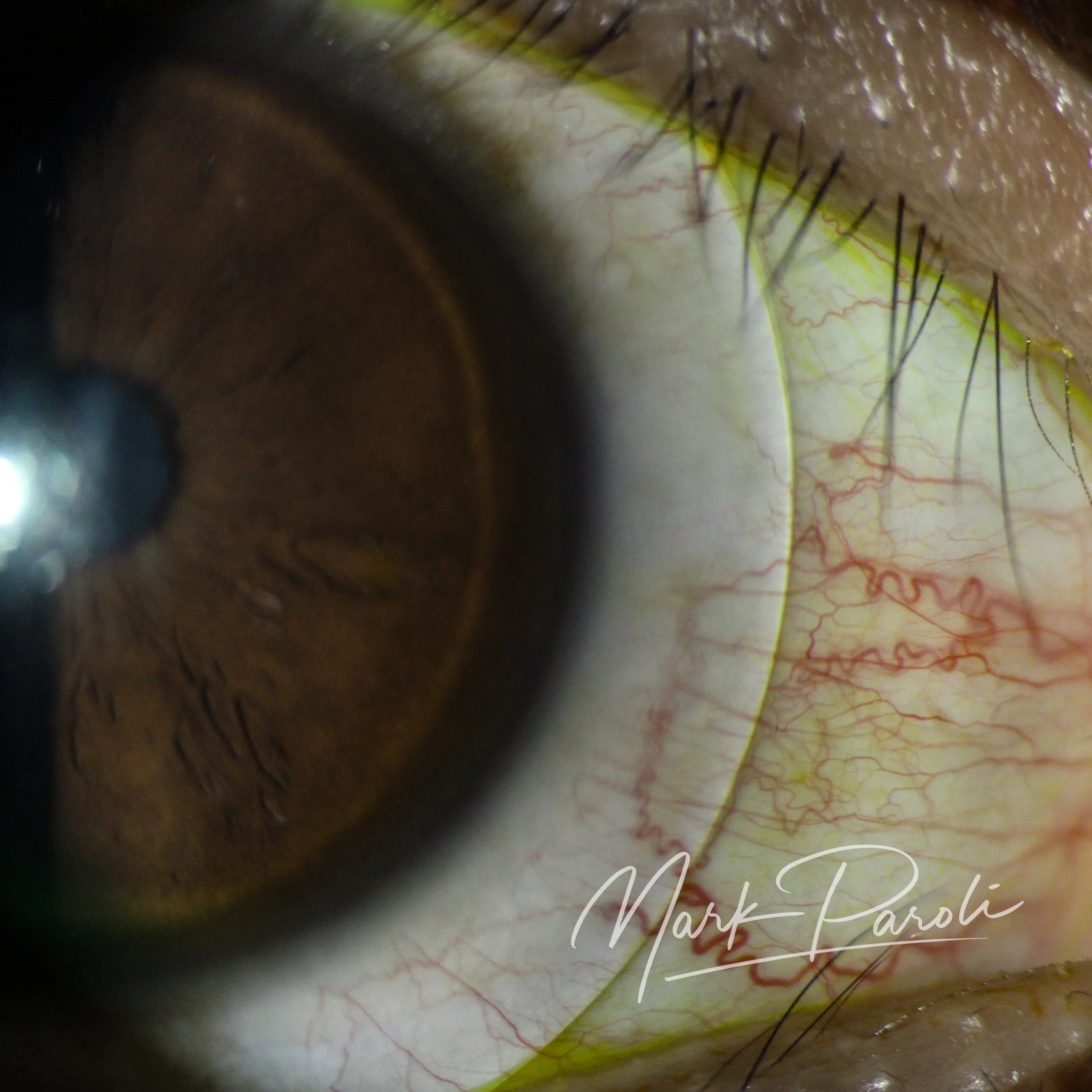
Clinical Spotlight: Enhancing Vision and Comfort with a Recalibrated Scleral Lens
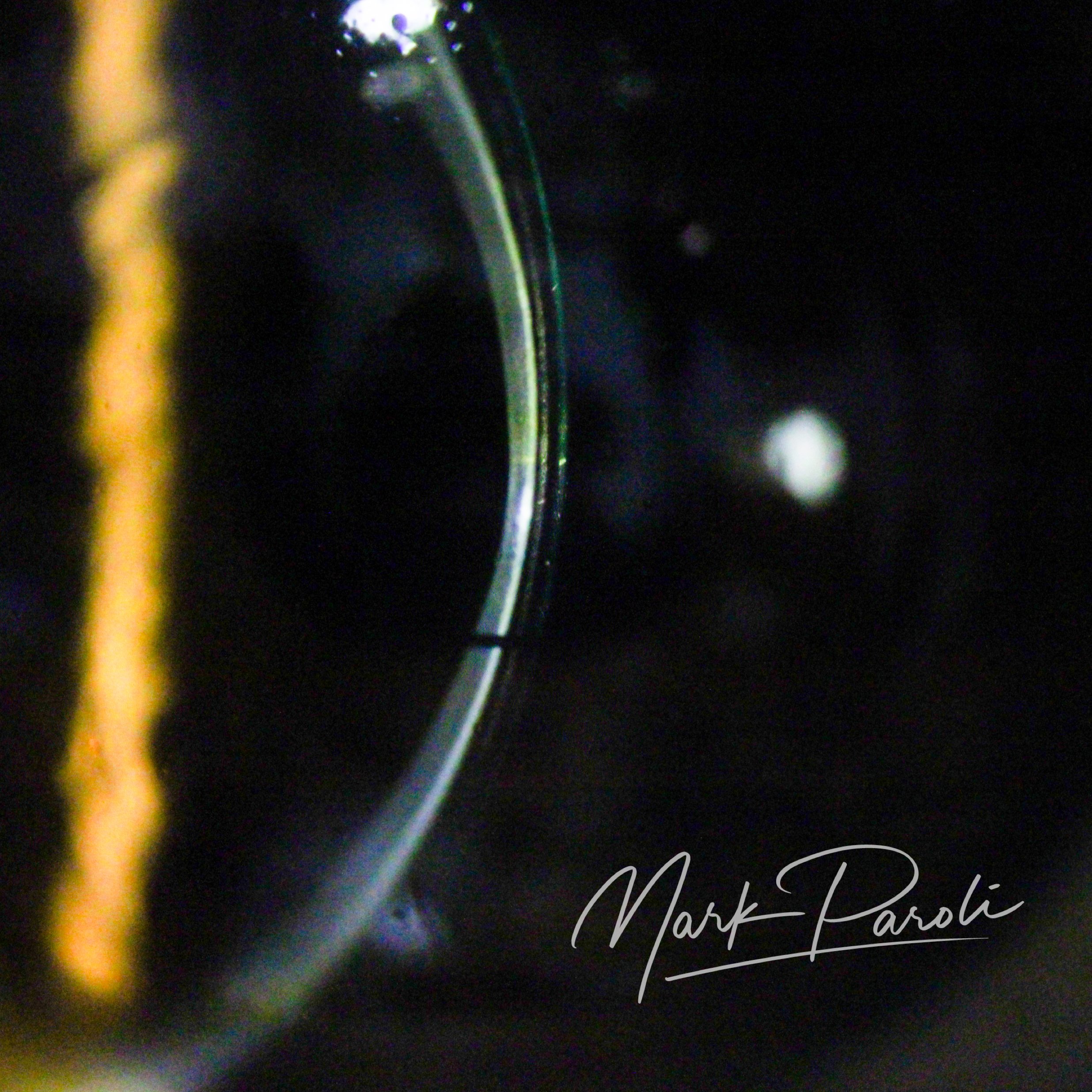
Anterior segment OCT scanning offers essential insights for assessing and troubleshooting contact lens fits. A recent scan of a patient's previous scleral lens identified a central posterior lens tear and a fluid reservoir thickness of approximately 290 microns.
To improve oxygen transmissibility and support corneal health, the new lens was carefully recalibrated. The sagittal height was reduced, with an initial target clearance of 150 microns. The final settled measurement was approximately 200 microns, providing an effective balance between corneal oxygenation and appropriate vault.
Once the physical fit was confirmed, visual acuity was refined through precise over-refraction. After verifying lens stability, astigmatism correction was incorporated directly into the lens optics.
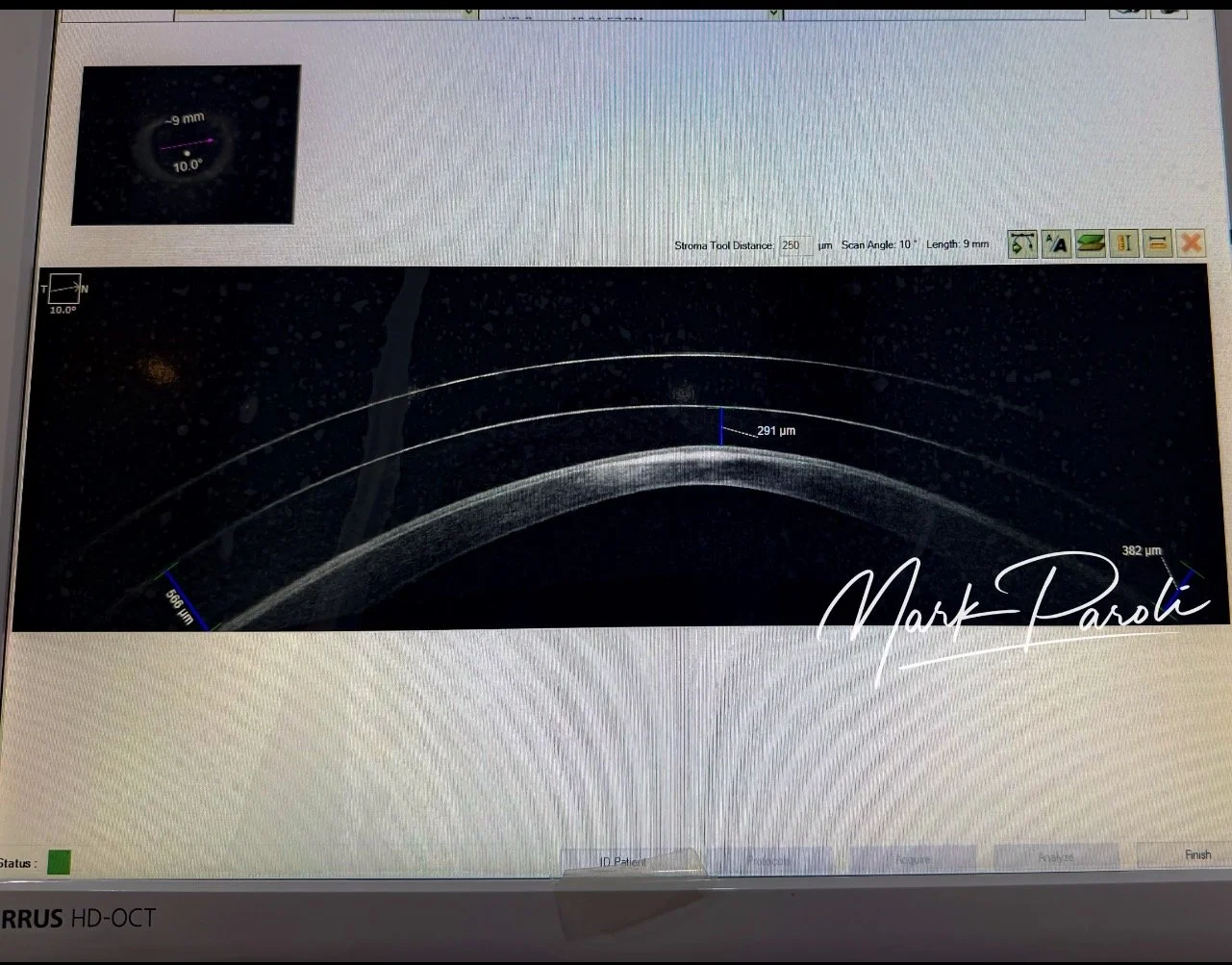
The combination of advanced imaging, targeted sagittal height reduction, and precise refractive correction resulted in a highly satisfied patient. The recalibrated fit provided a significant improvement in visual clarity over the initial lens design.
Soliman Paroli Eye Center is equipped with state-of-the-art Anterior Segment OCT technology, enabling precise, micron-level measurements of the cornea and lens vault. This advanced diagnostic capability removes uncertainty from complex specialty lens fittings and ensures optimal physiological health, lasting comfort, and superior visual clarity for our patients.